Professor Andrew M. Wardley
International Oncology Leader • Translational Scientist • Health-System Reformer
Professor Andrew M. Wardley is a globally recognised medical oncologist specialising in breast cancer, experimental medicine, and translational research. Over three decades he has shaped the development of modern cancer services across Greater Manchester, the UK, and internationally.
Clinical Leadership
Professor Wardley helped build Manchester into one of Europe’s leading cancer research ecosystems, co-founding the Manchester Breast Centre and the Manchester Cancer Research Centre. As Clinical Director of Medical Oncology at The Christie, he transformed service efficiency, expanded regional access, and embedded research and supportive care into everyday practice.
Research & Innovation
He has led or contributed to landmark trials over 30 years which have transformed survival and quality of life for breast cancer patients. He has advancing precision medicine, ctDNA science, response-directed therapy, and antibody–drug conjugate development, leading the path from one-size fits all chemotherapy, through precision medicine to personalised medicine. He ensured these were made available to patients through NICE engagement.
System Reform & Governance
Wardley authored the Greater Manchester SACT Strategies, pioneering home chemotherapy, electronic prescribing, and decentralised oncology services. His governance leadership informed national policy, and his evidence contributed to the 2023 CQC re-rating of The Christie.
National Leadership
As Executive Chair of the Association of Cancer Physicians, he represents UK oncology at the highest levels of government, regulation, and NHS policy. His work influences the National Cancer Plan, health workforce strategy, and clinical standards.
Professor Wardley is committed to clear communication, timely diagnosis, compassionate care, and ensuring each patient receives the most effective and least toxic treatment available.
His leadership mirrors his dedication to truth, honesty and integrity.
Dr Andrew Wardley began his medical career after qualifying MBChB. with honours, from the University of Manchester in 1989. He trained in general internal medicine before higher specialist training in haematology and medical oncology at the Christie Hospital and The Universities of Manchester and Leeds. This period established the scientific and clinical foundations that later defined his international reputation in translational cancer and breast cancer medicine.
During the 1990s, Dr Wardley was immersed in the development of myeloablative chemotherapy and bone marrow transplantation regimens for haematological malignancies, working under the mentorship of Professors J.H. Scarffe, and Dr G. Morgenstern. His clinical responsibilities spanned acute oncology, cytotoxic chemotherapy administration, and the management of infectious and metabolic complications of intensive cancer treatment. He developed expertise in both solid tumour and haematological oncology, treating leukaemia, lymphoma, and advanced breast and gastrointestinal cancers.
Alongside his clinical work, he conducted an extensive programme of laboratory and clinical research into epithelial toxicity from chemotherapy and radiotherapy — particularly oral mucositis, one of the most severe complications of cytotoxic therapy. His doctoral research, completed as an MD at the University of Manchester (2000), presented one of the largest prospective evaluations of oral mucositis in bone marrow transplant patients. He demonstrated that mucosal injury was primarily regimen-dependent rather than patient-dependent, providing the first quantitative evidence that stratification by cytotoxic regimen was essential in trials of mucosal protection.
At the Paterson Institute for Cancer Research mentored by Professor C.S. Potten, pioneer of stem cell research, he developed the first quantitative in vivo histometric model of radiation-induced oral mucositis in mice, describing both the cytotoxic epithelial depletion and regenerative repair processes, and evaluating the potential of cytokines such as TGF-β3, KGF, and IL-15 to protect and restore mucosal integrity. This preclinical work became the basis for later therapeutic development of Keratinocyte Growth Factor (palifermin), now used to prevent oral mucositis in high-dose chemotherapy patients — a translational bridge between laboratory and bedside that exemplified his future clinical philosophy.
His publications during this period reflect a sophisticated integration of laboratory and clinical research:
He was also an early advocate of extended clinical roles for nurses, co-authoring one of the first reports on nurse-led central venous catheter placement (J R Coll Physicians Lond, 1997), marking the beginning of his lifelong commitment to multidisciplinary workforce innovation.
Dr Andrew M. Wardley took up his consultant post at The Christie Hospital in 2001, a role that would quickly transform him into both a national innovator and an internationally recognised leader in breast cancer research. Over the next five years, he established himself as a medical oncologist of exceptional vision, reshaping breast cancer services at The Christie and across Greater Manchester, while contributing to national and global research agendas.
Building Research Infrastructure across Greater Manchester
Wardley was tasked with taking over the largest breast cancer service in the UK (600 new breast cancer patients per year) and developing a service in Wigan (300 new breast cancer patients per year). As he considered this task, he attended his first San Antonio Breast Cancer Symposium in 2000. Understanding that research is the engine of clinical innovation, from his early years in haematological oncology, he conceived his integrated patient-centred research-driven model, which he introduced to Greater Manchester in 2001. His strategy was “a trial to answer a question for every patient”. He introduced a specialist in supportive care to his team to ensure patients had excellent support before and during their cancer treatment. He developed the breast cancer research team at The Christie Hospital, expanding the number of specialist research nurses from half to five. He also oversaw the appointment of a dedicated data manager and research assistant, strengthening the operational infrastructure needed to support high-quality trials.
These investments, achieved without direct funding from the National Cancer Research Network, positioned both The Christie and the South Manchester University Hospital Breast Unit at the forefront of national and international breast cancer clinical research. He created a network between these two hospitals and Wigan where he took one of the research nurses to introduce national clinical trials. His leadership ensured that Manchester’s breast cancer patients had early access to emerging therapies, while simultaneously building The Christie’s reputation as a trusted global research partner.
Bedside to Bench
Wardley was the first to describe brain metastases in patients with HER2 positive breast cancer treated with trastuzumab. He went on to be a major contributor to trials in this devastating aspect of breast cancer.
Multidisciplinary Leadership and Service Innovation
Wardley recognised that modern oncology required teamwork beyond consultants. He initiated regular multidisciplinary meetings that united research nurses, breast care nurses, pharmacists, and oncologists, fostering collaboration that improved patient treatment, streamlined trial entry, and enhanced professional education.
He also initiated and supported the appointment of a breast cancer nurse specialist, paving the way for a protocol-based, nurse-led clinic for routine adjuvant chemotherapy. This innovation both empowered nurses and reduced unnecessary clinic waits for patients.
Always attentive to efficiency, Wardley developed protocolled chemotherapy regimens, standardising treatment and improving patient flow. He pioneered home chemotherapy delivery, anticipating modern trends in personalised, patient-centred care.
Home Delivery of Systemic Anti-Cancer Therapy and Research
He showed that treatment at home was better than hospital and, in partnership with Healthcare at Home, many patients on adjuvant trastuzumab trials were treated at home. His model led him to secure £9 million in funding from Greater Manchester commissioners for a single-system service for trastuzumab therapy across Greater Manchester and Cheshire. This included funding for necessary cardiac assessment by echocardiogram and marked the birth of cardio-oncology. He contributed to ensuring patients were kept on this groundbreaking treatment for optimal duration.
Driving Change Across Greater Manchester
His influence extended well beyond The Christie. As Co-Chair of The Christie’s Breast Disease-Oriented Group, medical oncologist for the South Manchester University Hospital Breast Unit, and a key figure in the Greater Manchester & Cheshire Network Breast Cancer Clinical Sub-Group, Wardley played a central role in implementing advances in practice. He helped integrate new systemic drug treatments into clinical care and developed new referral pathways to ensure patients accessed treatment promptly and seamlessly.
He also initiated an audit of trastuzumab use in metastatic breast cancer, generating evidence that validated its clinical use and provided the data needed to support national funding reviews. This work not only improved patient access but also shaped national policy.
Expanding Access and Regional Recruitment
Wardley believed research should not be limited to a single centre. Building on his early success in Wigan, he expanded trial recruitment across the Greater Manchester and Cheshire Network, bringing cutting-edge therapies closer to patients in their communities.
His ambition grew to include translational research through the emerging Pan-Manchester Breast Group, with the aim of strengthening the link between laboratory science and clinical application.
National and International Leadership
Within just three years of his consultant appointment, Wardley had secured a place on the international stage. He became a founding member of the Breast International Group (BIG), joined the European Organisation for Research and Treatment of Cancer (EORTC) Breast Cancer Group protocol committee, and played an inaugural role in the NCRI Breast Cancer Clinical Studies Group.
At the NCRI, he held a liaison role for metastatic breast cancer trials, ensuring UK patients could access leading international studies. His growing expertise also brought him onto the Executive Committee of the Association of Cancer Physicians, where he advised on NICE technology appraisals, influencing how new cancer treatments were evaluated and adopted nationally.
As Chief Investigator of several international trials in the UK, including the first National Translational Research Institute (NTRI) breast cancer trial, Wardley positioned Manchester not just as a participant in global research, but as a key driver of international innovation.
Mentorship, Ethics, and Academic Service
Wardley nurtured the next generation of researchers, supervising undergraduate projects such as the work published in the British Journal of Cancer (Clayton AJ et al., 2004; 91:639).
He also served as a reviewer for leading journals including the British Journal of Cancer and Seminars in Oncology, helping shape the scientific discourse in his field. His membership of the South Manchester Local Research Ethics Committee (LREC) reflected his commitment to ensuring the highest ethical standards in clinical research.
Translation of Trials into Practice
Wardley’s leadership in trials has consistently driven improvements in practice. He was pivotal in introducing adjuvant trastuzumab into the NHS following his leading role in the HERA trial, securing funding and shaping services through the Greater Manchester Cancer Network Herceptin Working Party. He also represented the Royal College of Physicians at NICE appraisals of taxanes, contributing to their national adoption. His leadership in piloting electronic prescribing and in developing guidelines (Breast group, South Manchester Breast Unit) exemplify how trial findings are translated into improved patient care. He has led audits on trastuzumab, capecitabine, fulvestrant, and ovarian suppression with aromatase inhibitors, ensuring evidence informs practice.
Leadership and Advisory Roles
Wardley has provided sustained leadership at local, regional, and national levels. As Co-Chair of the Christie Breast Group he oversaw the expansion of the research team, mentoring and developing staff to deliver excellence in clinical trials. At the Greater Manchester & Cheshire Network he has shaped service reorganisation for breast cancer and chemotherapy provision. Nationally, he has advised NICE and ScHARR on technology appraisals of trastuzumab, taxanes, and lapatinib, and contributed to the executive of the Association of Cancer Physicians. His membership of the South Manchester Research Ethics Committee reflects his commitment to governance and standards.
Trials and Research Leadership
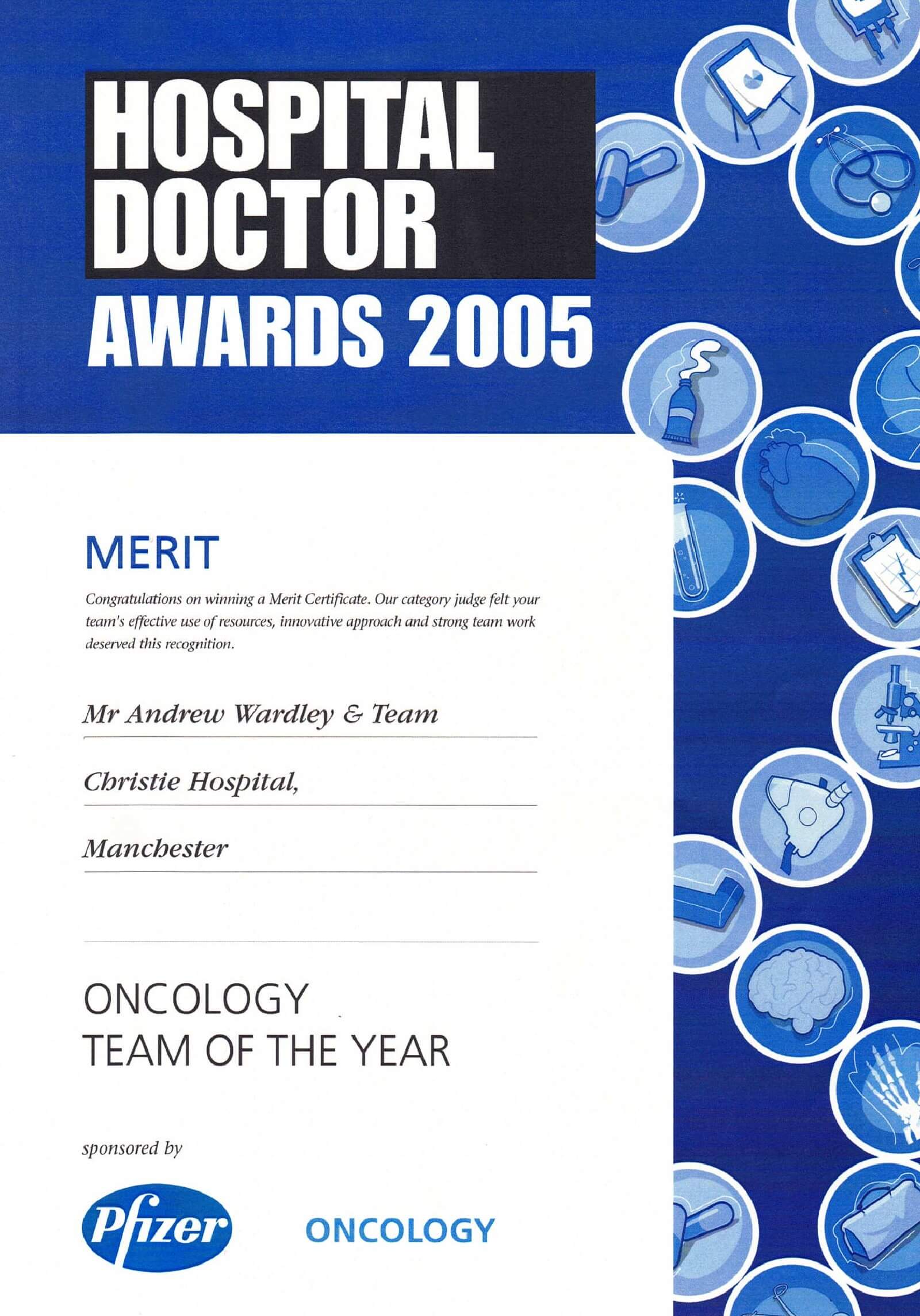
Wardley has developed the Christie Breast Cancer Trials Team into the UK’s most active, with UK Chief Investigator roles in 11 trials and membership of the management groups of 10 more. He has been a major recruiter to landmark studies such as TACT2, Neo-tAnGo, and AZURE, ensuring patients have early access to cutting-edge therapies. Internationally, he has played leadership roles in the NCRI Breast Group, Breast International Group, EORTC Breast Cancer Group (Protocol Committee), Anglo-Celtic Cooperative Oncology Group, and Breast Cancer International Research Group, joining the Steering Committee of the International Collaborative Cancer Group in 2006. His collaborations with industry have secured infrastructure funding and enabled translational research, including the creation of a clinician-scientist post in breast cancer stem cell research at Manchester. His contributions are widely disseminated in high-impact publications (NEJM, Cancer Treatment Reviews, Expert Review of Anticancer Therapy) and international conferences (SABCS, ESMO, EBCC, NCRI).
Wardley established an early phase trial team within BCRT and rapidly became a go to investigator for early drug development in breast cancer. The excellent work of his team in led to the development of the AstraZeneca -University of Manchester-Christie hospital Alliance, which later developed into Manchester Cancer Research Centre with his assistance.
He was a co-founder of Manchester Breast Centre in 2005, bringing clinical and laboratory researchers together to accelerate the understanding of and treatment of breast cancer.
Academic Service and Mentorship
Wardley served as Specialty Editor for The Breast and Associate Editor for Advances in Breast Cancer and New Directions in Endocrine Treatment of Breast Cancer. He refereed widely for journals and funding agencies. He supervised Specialist registrars, MSc and MD students, medical undergraduates, and nurse clinicians, fostering the next generation of oncologists and academic clinicians. He supported advanced practice training, including MSc and non-medical prescribing courses at Manchester and Chester Universities. Many of his mentees have become leaders themselves. His teaching extended to regional courses for oncologists, GPs, nurses, and allied health professionals, preparing them for postgraduate examinations and clinical practice.
National and International Engagement
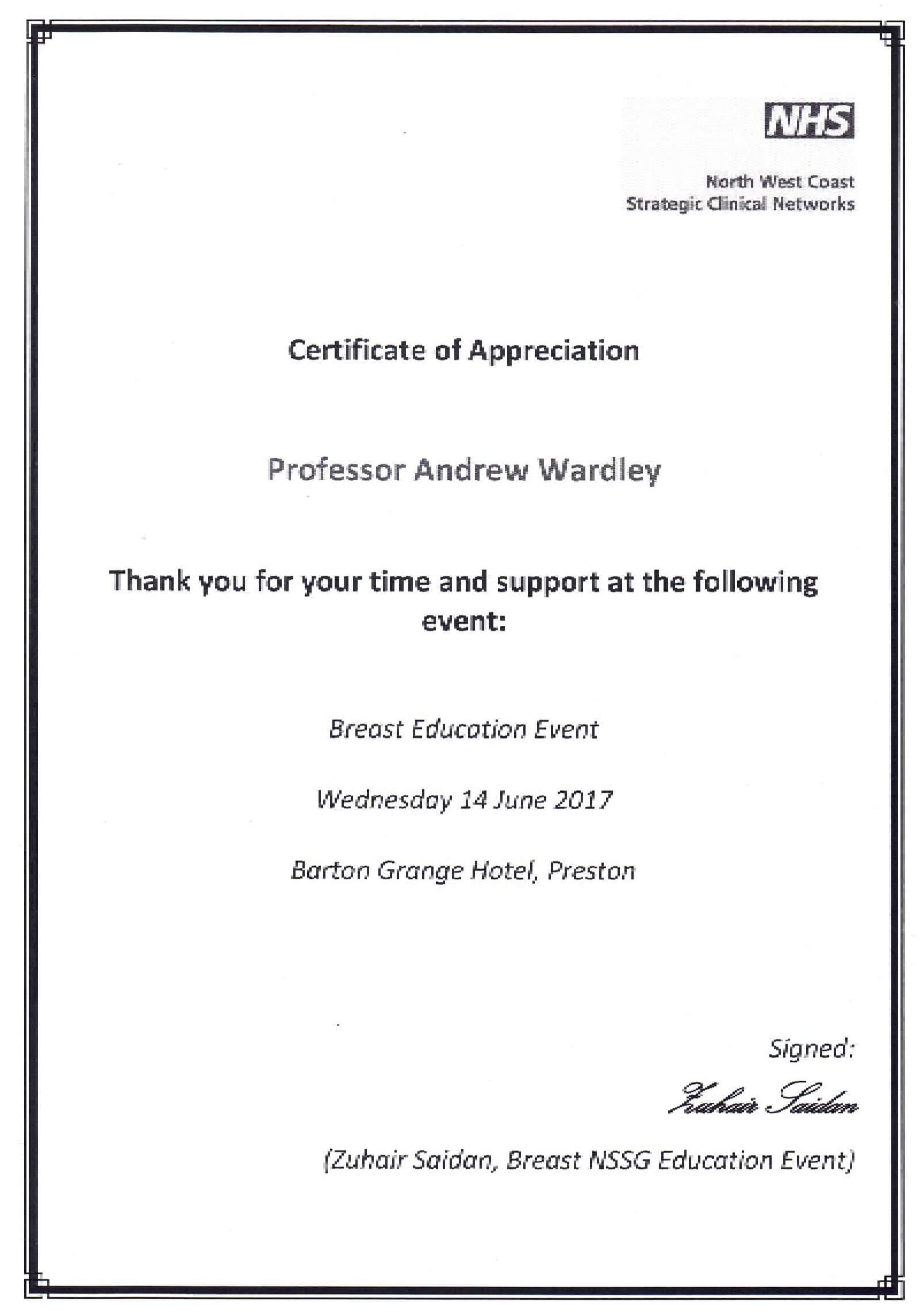
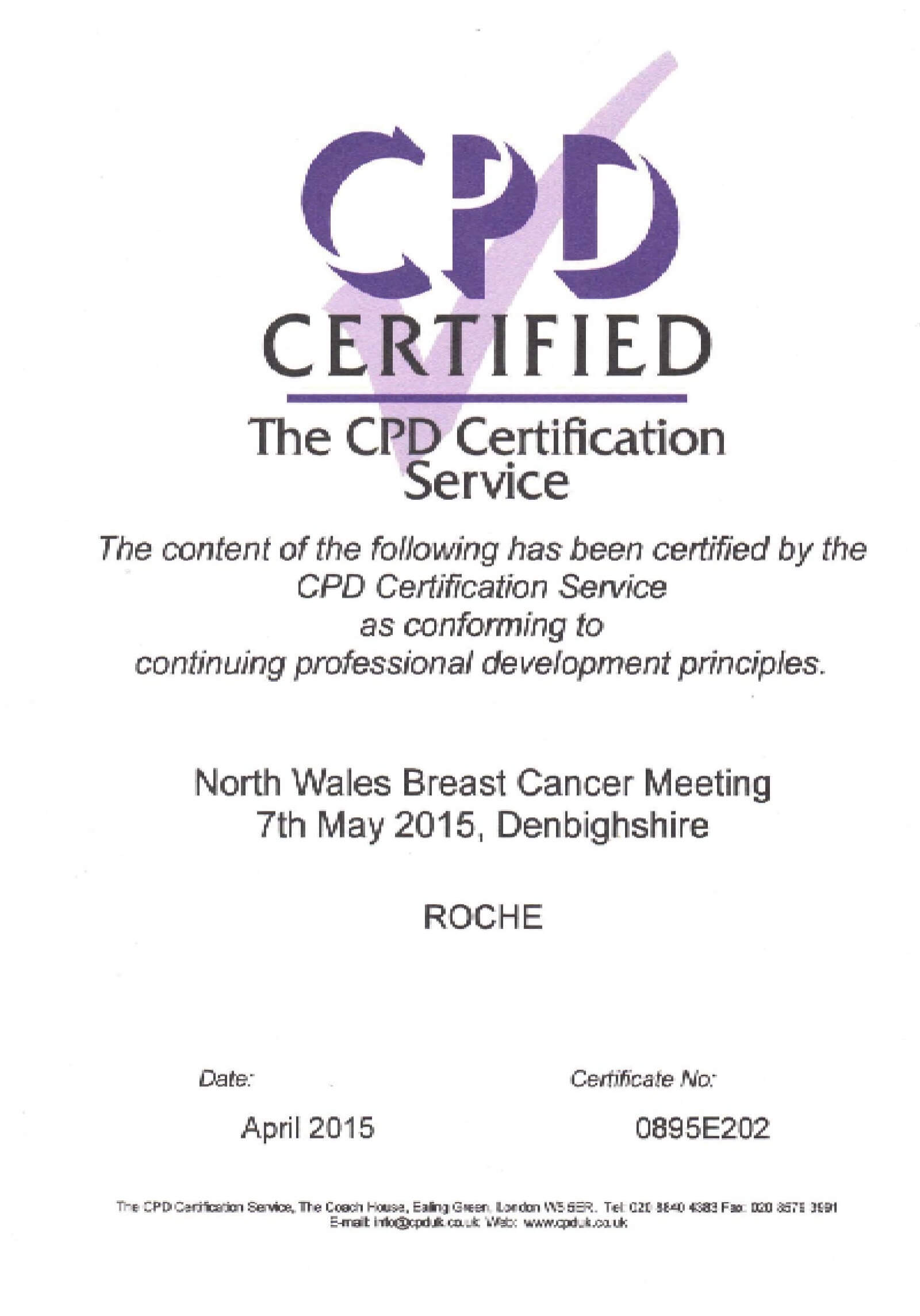
Wardley’s reputation as a breast oncology leader reflected in frequent invitations to present at national and international meetings, including ESMO, the Philippines Medical Oncology Society, Brazilian Cancer Congress, Asia Oncology Forum, North Wales Breast Group, Northern Ireland Breast Group, and the Breast CARE meeting. He serves on the Scientific Advisory Board of Breast Cancer Campaign and reviews for multiple trial groups and journals (Scottish Trials Group, BJC, J. Surg Oncol, Seminars in Oncology, Oncologist, The Breast). Through these roles, he has influenced breast cancer research and clinical practice across the UK and internationally.
Between 2001 and 2006, Dr Andrew M. Wardley transformed from a newly appointed consultant into an international figure in breast cancer oncology. He built research infrastructure at The Christie, expanded multidisciplinary care, and pioneered innovations from nurse-led clinics to home chemotherapy. At the same time, he secured leadership roles on the executive, national, and international stage — shaping NICE appraisals, influencing NCRI priorities, co-ordinating metastatic breast cancer trials, and contributing to BIG and EORTC strategies. By the end of this period, Wardley had firmly established Manchester as a leader in breast oncology. He was offered a Chair at University of Manchester in 2006 but remained intent on driving research in service within the NHS.
Translational Science
Manchester Breast Centre & Manchester ecosystem: Wardley is credited in multiple institutional summaries with co-founding or helping to build the Manchester breast cancer research ecosystem (Manchester Breast Centre established 2005), and Manchester Cancer Research Centre, which underpinned much of the translational work during 2007–2010 and beyond, framing his research-led service approach across these years.
Wardley funded a Clinician–scientist in breast medical oncology at The Christie (Manchester), active across multicentre UK trials and research-led service development. This role was direct evidence of his vision to link laboratory and clinical research to accelerate breast cancer knowledge and treatment. The research, looking at breast cancer stem-cells, links with his earlier work in The Potten (pioneer of stem cell research) lab, where he was interested in oral mucosal stem cells.
He also collaborated with Professor Caroline Dive (lab excellence in circulating tumour DNA) to study ctDNA in patients with breast cancer:
First clinical report (to my knowledge) showing feasibility of detecting hotspot PIK3CA mutations in cfDNA from breast cancer patients using ARMS/Scorpion assays. in metastatic cases: PIK3CA mutations detected in 28% (plasma) and 21% (serum); 95% concordance between tumour and plasma cfDNA; when tumour was mutated, plasma “pick-up” was ~80% in localised disease: tumour mutations were common (47%), but not detected in matched cfDNA—highlighting disease-burden/biology effects on shedding.
Professor Andrew M Wardley made a major contribution to the grant funding of “Effect of perioperative anti-HER2 therapy on early breast cancer study – biological phase: EPHOS-B” grant adding the Intensive Loading Dose of Trastuzumab Achieves Higher-Than-Steady-State Serum Concentrations and Is Well Tolerated
He led safety sub study and co-authored primary results for a major UK adjuvant chemotherapy trial (tAnGo)
Paper: “tAnGo: a randomised phase III trial of gemcitabine in paclitaxel-containing, epirubicin/cyclophosphamide-based adjuvant chemotherapy for early breast cancer: a prospective pulmonary, cardiac and hepatic function evaluation.”
Clinical Science
Wardley, together with Professor Earl and Professor Miles, who together conceived the idea of reduced duration of adjuvant trastuzumab, immediately after the seminal presentations at ASCO 2005, with others secured NIHR funding for PERSEPHONE – duration of trastuzumab study with chemotherapy in early breast cancer: six versus twelve months Trial registration: EudraCT 2006-007018-39; ISRCTN 52968807; NCT00712140.
– UK Chief Investigator for 11 trials; TMG member of 12 national trials; major recruiter to TACT2,
Neo-tAnGo, BEATRICE.
International roles: BIG 1-98, transALTTO (steering/translational), EORTC Protocol Committee, Breast International Group (Independent Member), INCA representative.
Further developed a breast cancer specific experimental medicine capacity; led UK recruitment; advised pharma/CROs
Co-authored an authoritative clinical handbook: Breast Cancer (Dana-Farber Cancer Institute Handbooks), a practitioner-focused reference published in 2007 (Mosby). This positioned him among the named authors contributing practical guidance to breast cancer care.
Senior investigator/co-author on numerous landmark trials:
TACT (Taxotere as Adjuvant Chemotherapy) — sequential docetaxel in early breast cancer.
Clinical Service & Innovation
Wardley continued to lead the largest breast oncology practice in UK
Service Development & Governance
Having recovered from Acute Lymphoblastic Leukaemia 2009-2010 Wardley returned to work to find his job had been taken by two people he trained and promoted. Undaunted, he set his mind to system change again and wrote a strategy for systemic anti-cancer therapy in Greater Manchester which he set about implementing as Director of systemic anti-cancer therapy for The Christie hospital and Greater Manchester.
In 2011, Professor Wardley authored the first Greater Manchester Systemic Anti-Cancer Therapy (SACT) Strategy, restructuring chemotherapy delivery, safety, and governance across the region. His reforms decentralised cancer treatment into GP surgeries, hospices and community settings, pioneering home chemotherapy delivery and drastically reducing 30-day mortality.
2012: Clinical Director of Medical Oncology; Major Service Expansion
Appointed Clinical Director of Medical Oncology at The Christie, he managed 166 WTE staff, an £8.6M budget, and introduced formal job planning.
He resolved longstanding disputes between The Christie and GM Cancer Network, securing funding for acute oncology and establishing regional consultant posts.
Under his leadership, the South Manchester breast cancer services grew from 600 to 1,500 patients and from 2,000 to 20,000 annual treatments without expanding consultant numbers.
He embedded research and supportive care into routine practice and resolved a major governance concern at Wigan, redesigned the service creating a modern breast cancer service with a full-time Medical Oncologist on site, establishing Christie@Wigan, pioneering equitable regional cancer research access.
2013: National Recognition, NIHR Funding, and Pan-Manchester Innovation
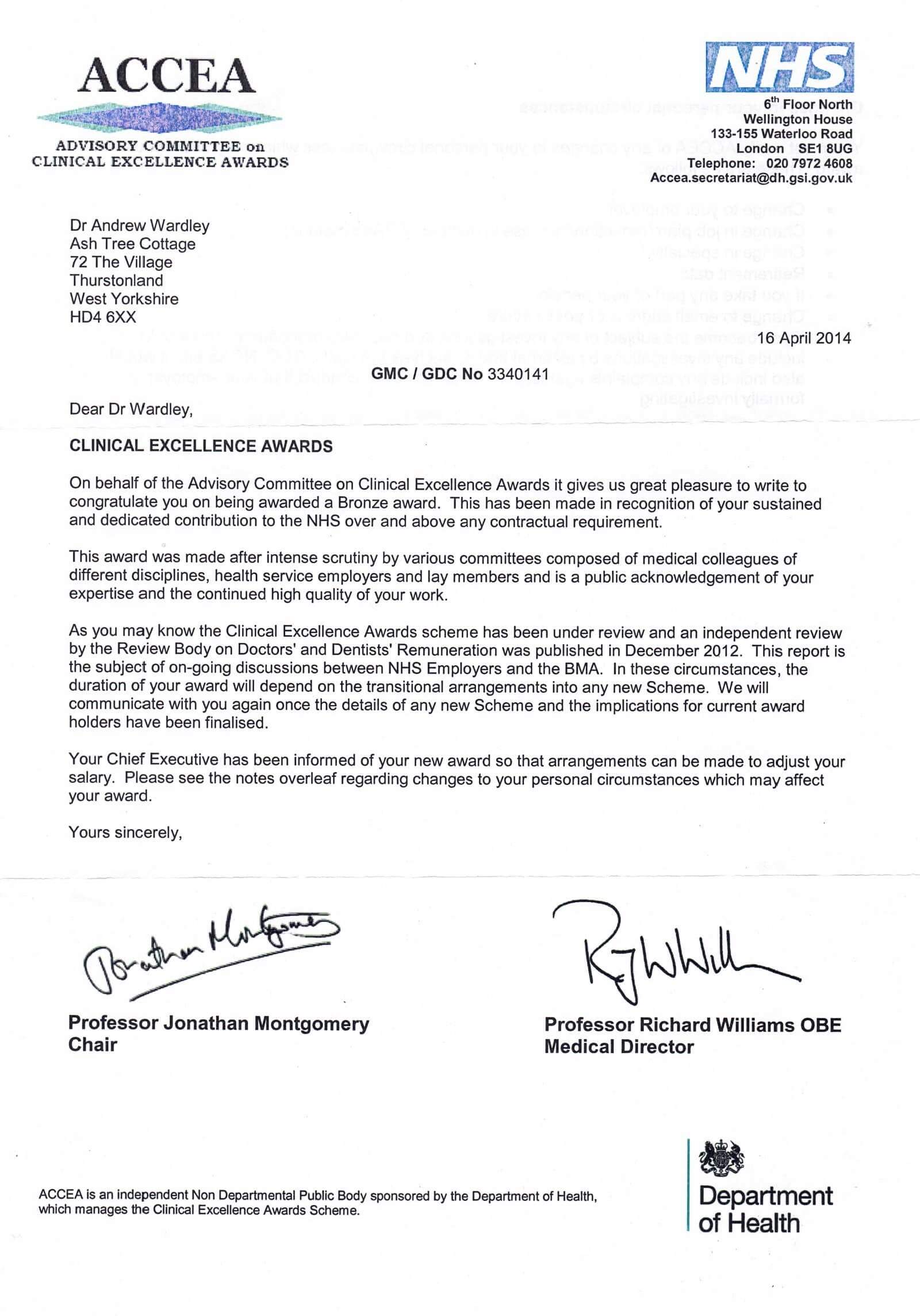
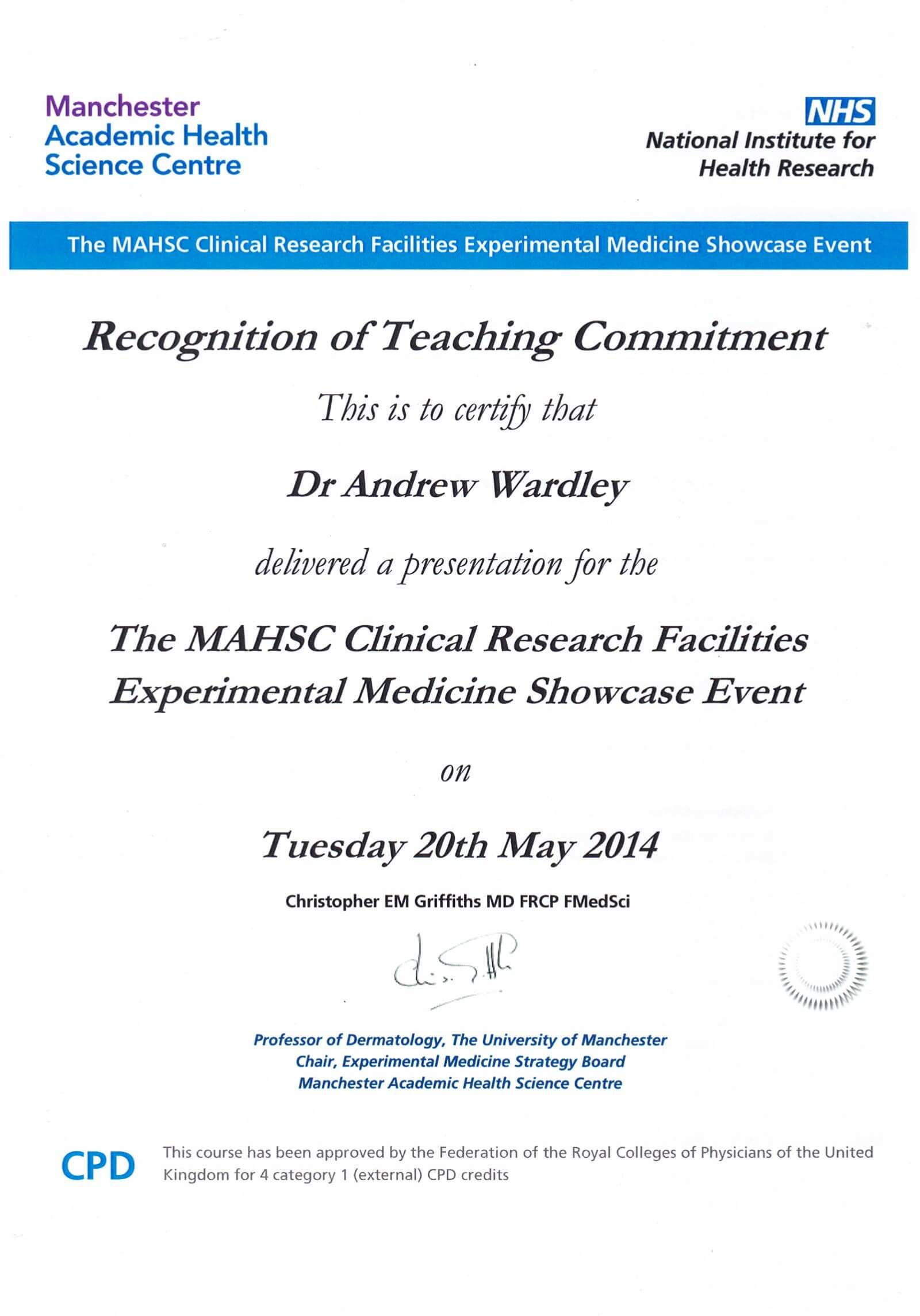
Wardley led The Christie’s NIHR CRF funding bid (£4.5M), created the experimental medicine breast team—often the world’s highest recruiter—and advanced a pan-Manchester early-phase research framework. His “question to answer for every person” model influenced NHS England and the European Code of Cancer Practice. He received a National Clinical Excellence Award (Bronze).
2014: NIHR Leadership and National Research Expansion
As NIHR Clinical Lead for Cancer in Greater Manchester, he made the region the UK’s top recruiter to cancer trials.
He launched an electronic trial identification system winning the Improvement Science for Academics award and attracting business interest from German software giants SAP.
His leadership expanded access for underserved communities and strengthened partnerships across Manchester.
He continued to develop innovative trails as a clinical oncology-applicant and cohort lead for PlasmaMATCH and attracted Daiichi-Sankyo to be a partner in Greater Manchester bringing their exciting antibody drug conjugate trails.
National SACT Policy Influence and Seeds of Inequalities in Access Programme
Becoming Director of SACT for GM Cancer Alliance, he updated the 2015 SACT strategy, advanced national dose-banding, and shaped NHS England’s chemotherapy policy through the Chemotherapy Clinical Intelligence Group.
His research exposed inequalities in secondary breast cancer treatment and informed national discourse.
He won NCRI 2015 commercial investigator of the year, expanded access for underserved
communities, and strengthened partnerships across Greater Manchester.
Two Chairs, Silver ACCEA Award, NIHR Manchester CRF Success, and International Prominence
2016 marked culmination of major achievements: consolidation of pan-Manchester experimental medicine networks, Wigan delivering its first global regulatory trial, and Manchester’s successful NIHR CRF and BRC achievements.
He resumed leadership of his beloved Breast Cancer Research Team as this had run into financial difficulty under another. He reestablished its financial stability and security.
His entrepreneurship led to two spin-out companies: The Christie Home Care Company, a development of his initial work in the early 2000’s delivering trials and systemic anti-cancer therapy at home, and The Christie Pharmacy Company.
Internationally, he continued to be a leading authority on HER2+ disease, response-adapted therapy, and translational research, contributing to global trial design and innovation.
He was awarded a Chair at Manchester Academic Health Science Centre for his system leadership in cancer and an Honorary Clinical Chair at University of Manchester for breast research of international standing. As a full-time NHS consultant he was awarded an ACCEA Silver Award for contributions over and above.
Between 2019 and 2025, Professor Andrew Wardley has built a unique leadership portfolio that unites medicine, governance, research, and law — driving improvement in cancer care, professional accountability, and health equity across the United Kingdom.
As Clinical Lead for Cancer Research (NIHR Greater Manchester) and Director of Systemic Anti-Cancer Therapy, he reshaped Greater Manchester’s cancer ecosystem from a university-led structure into an NHS-led, research-driven model of care.
This transformation embedded a continuous learning system focused on governance, safety, and equality of access. Under his leadership, Greater Manchester became the UK’s most successful region for clinical cancer research recruitment and a model for integrated delivery of care and innovation.
In 2019, Professor Wardley supported over 40 NHS professionals who raised concerns under the Public Interest Disclosure Act (PIDA 1998) regarding cancer service governance, patient safety and staff health and safety. His evidence-based leadership initiated a national NHS England review, culminating in the Schofield Report — a key independent review that identified systemic issues in leadership and culture. These findings informed the Care Quality Commission’s 2023 re-rating of The Christie Hospital, as needing improvement in patient safety and leadership. The same concerns recognised as reflecting leadership and governance challenges identified through independent review.
Cancer Services and Medico-Legal Innovation
In 2020, Professor Wardley founded Cancer Services Limited, a pioneering global consultancy offering independent medical second opinions, clinical evidence, and legal expertise in oncology. The organisation has provided support for patients, regulators, and legal teams in cases of medical negligence, misdiagnosis, and systemic failure — promoting transparency and equitable access to oncology expertise worldwide.
Since 2022, he has served as a Clinical Board Member of TMLEP (The Medical and Legal Experts Partnership), providing impartial medico-legal analysis and expert testimony in clinical litigation, complaints, and regulatory investigations. His work combines the precision of scientific evidence with the integrity required for legal accountability.
Leadership in National Policy and Public Health
Appointed Executive Chair of the Association of Cancer Physicians (ACP) in 2023, Professor Wardley represents the UK’s medical oncology community to government, NHS England, and regulators.
He is actively working with the Department of Health and Social Care (DHSC) on the National Cancer Plan, focusing on equitable access to diagnostics, treatment innovation, and workforce development.
Professor Wardley also contributed ACP evidence to the UK COVID Inquiry, ensuring that the impact of the pandemic on cancer diagnosis and treatment was formally recognised. His work continues to influence national health policy, regulation, and reform across multiple government and professional bodies.
Research Leadership and Translational Medicine
Professor Wardley’s research career is internationally recognised for advancing precision oncology, experimental medicine, and system-wide clinical research delivery.
As Chair of the National Cancer Research Institute (NCRI) Breast Research Group (2020–2021), he led the UK’s national breast cancer research strategy, strengthening collaboration across the UK Breast Cancer Group (UKBCG), Association of Breast Surgery (ABS), and NIHR. He promoted Response-Directed Therapy for HER2-positive and triple-negative breast cancer and ensured that patients’ voices remained central to research governance.
He served on international steering committees for the transALTTO and MonarchE trials, shaping global strategies for biomarker-directed and adjuvant breast cancer treatment.
Professor Wardley conceived and led the NIHR-funded HER2-RADiCAL programme (PGfAR BH181119) — a £1.66 million initiative developing response-adaptive care for HER2-positive early breast cancer (concept originated in 2016).
He was also a co-applicant on the £2.54 million SWEET programme (Supporting Women with informed adhErence to adjuvant Endocrine Therapy), focused on improving adherence and outcomes in hormone therapy.
As Director of the NIHR Manchester Clinical Research Facility, he secured over £12 million in NIHR funding, expanded experimental medicine capacity, and led Europe’s highest recruitment to breast cancer clinical trials.
He pioneered a hub-and-spoke research model, extending clinical trial access across Greater Manchester through Christie@ satellite sites in Wigan, Macclesfield, and Wythenshawe — a system recognised by the Greater Manchester CRN Awards for Outstanding Contribution.
Equity of Access and Tackling Health Inequalities
Professor Wardley’s commitment to tackling inequality in cancer care has been a defining theme of his career.
At the University of Manchester, he conceived and led the Equity of Access Programme to improve participation in cancer trials among underrepresented and socioeconomically deprived communities.
He secured £500,000 from Boot Out Breast Cancer to fund outreach and engagement programmes, appointed the UK’s first Nurse Consultant in Oncology Research, and supported two PhD students focused on equity and inclusion in clinical research.
He subsequently secured a further £2 million in commitments from life-science partners to expand access and workforce capability — an initiative curtailed only by the COVID-19 pandemic.
His published research identified significant disparities in access to systemic anti-cancer therapy and secondary breast cancer treatment across Greater Manchester.
These findings informed regional and national strategies for more equitable service design and patient participation.
Professor Wardley also contributed to the Inequalities in Health Alliance (Royal College of Physicians) — whose 2021 letter to the Prime Minister called for a cross-government strategy to address health inequalities, echoing his long-standing advocacy for system-wide solutions that link public health, housing, education, and social policy.
Advancing Law, Governance, and Accountability
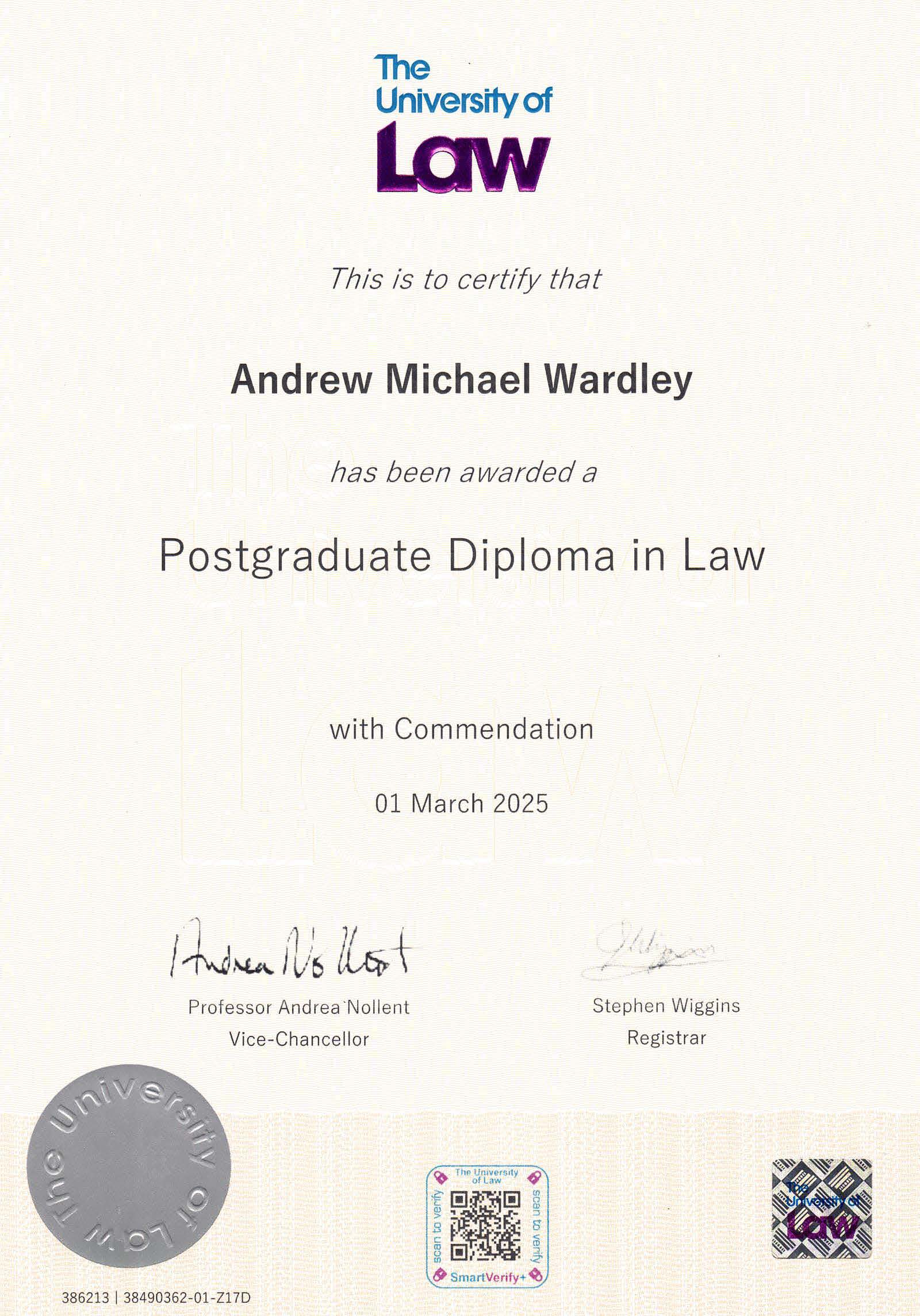
Building on his extensive medico-legal and policy experience, Professor Wardley completed a Postgraduate Diploma in Law (with Commendation) and is now completing the Bar Training Course.
His developing legal practice focuses on clinical negligence, professional regulation, and public interest law — uniting two decades of healthcare leadership with formal legal training to improve governance, justice, and accountability within public services.
His unique career trajectory — spanning clinical research, NHS system reform, and legal advocacy — reflects a consistent ethos: that truth, integrity, and equality must underpin every level of healthcare and public service.
Summary
From transforming Manchester into one of the world’s leading centres for cancer research, to shaping national policy and advocating for systemic reform, Professor Wardley’s 2019–2025 work embodies the principles of transparency, compassion, and excellence.
He continues to bridge the worlds of medicine, law, and policy, advancing his lifelong mission to improve patient outcomes, reduce inequalities, and strengthen the ethical foundations of modern healthcare.